Bunk Beds – FAQs
Why choose a bunk bed for your child?
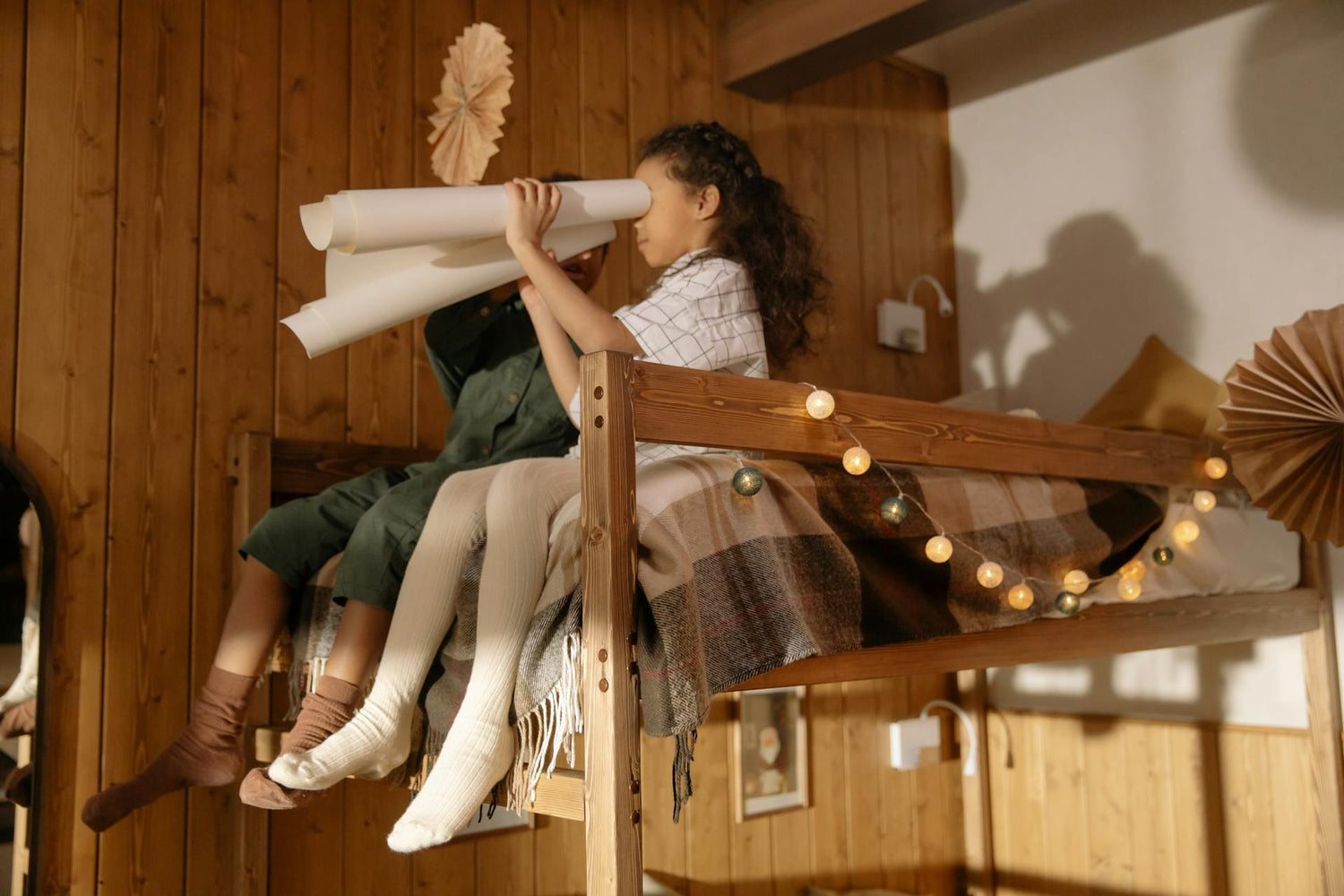
Children’s bunk beds are a smart way to maximise bedroom space, especially in shared rooms.
They provide separate sleep areas without taking up extra floor space, making them ideal for siblings or sleepovers.
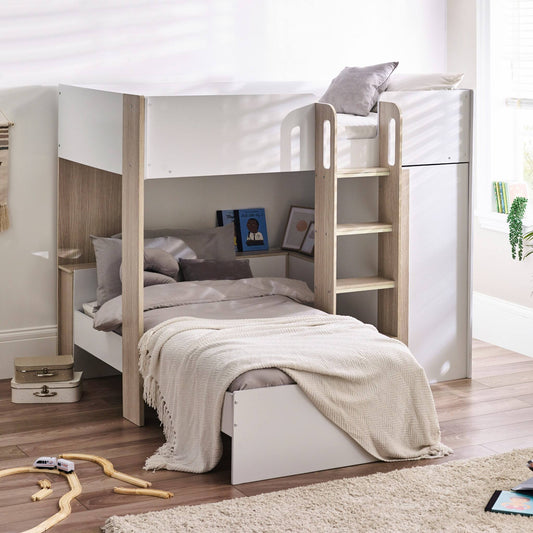
With playful designs and space-saving storage options, bunk beds for kids offer the perfect blend of fun and functionality.
What age are bunk beds suitable for?
The upper level of a bunk bed is generally suitable for children aged six years and over, due to its height and ladder access.
Low bunk beds usually sit closer to the floor with a more accessible bottom level and may suit younger children.
When choosing, consider your child’s confidence with climbing and the manufacturer’s age guidance for safe use.
Are bunk beds safe for children?
Yes, bunk beds are designed with children’s safety as a priority and meet strict UK standards.
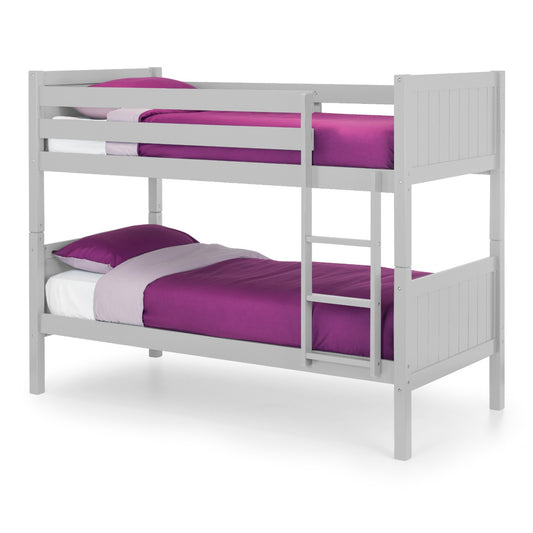
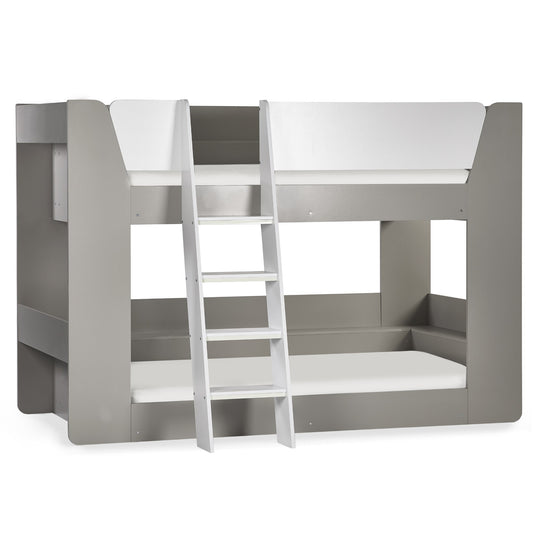
A children's bunk bed should include sturdy guard rails around the top bunk and secure access, such as a fixed ladder or staircase.
As with all high beds, make sure the upper mattress is the correct depth and check fixings regularly to maintain stability.
Can bunk beds be separated into two single beds?
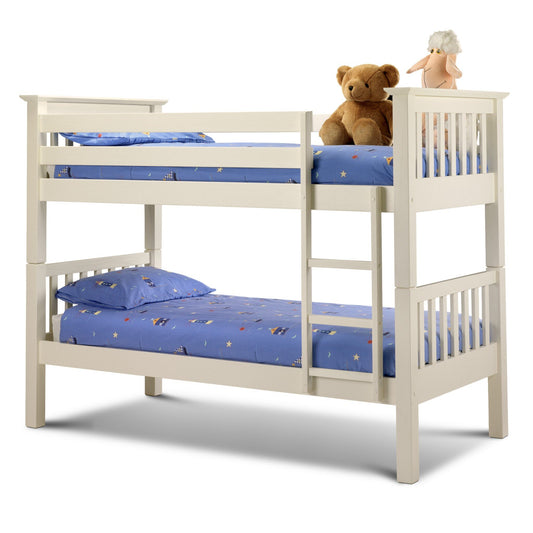
Yes, some bunk bed styles can be separated into two single beds, offering flexibility as your children grow.
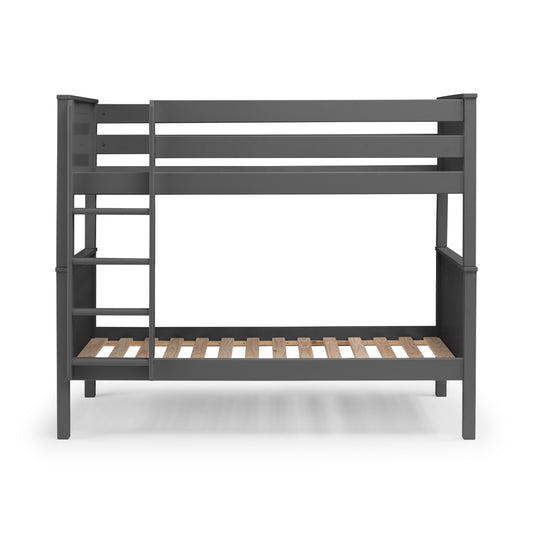
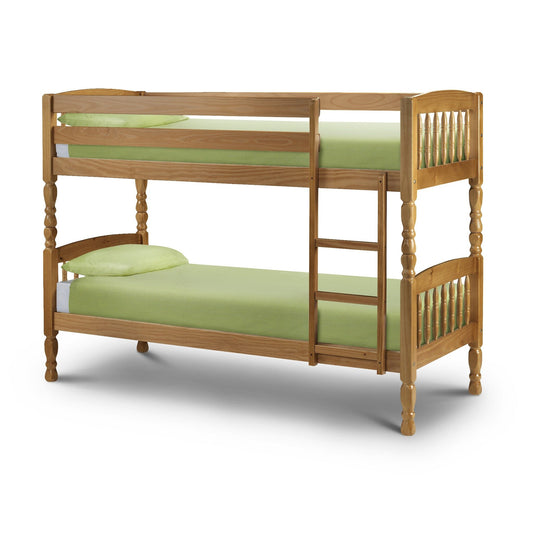
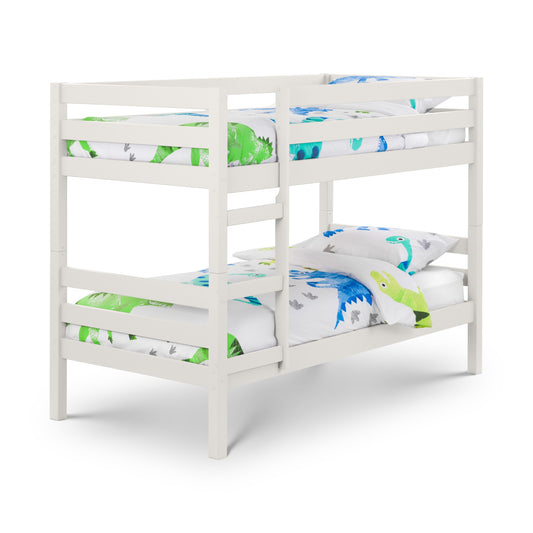
This feature is most common in traditional four-post designs, allowing the beds to be used in different layouts or rooms.
When browsing, look for convertible or detachable bunk options in the product details.
What type of bunk bed is best for my child?
The best type of bunk bed depends on your child’s age, bedroom size, and personal style.
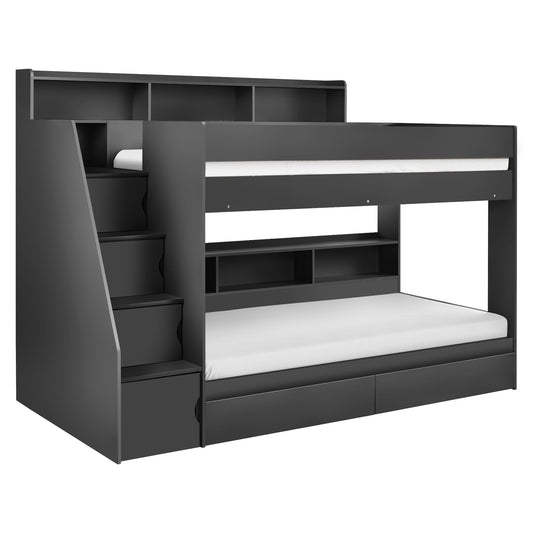
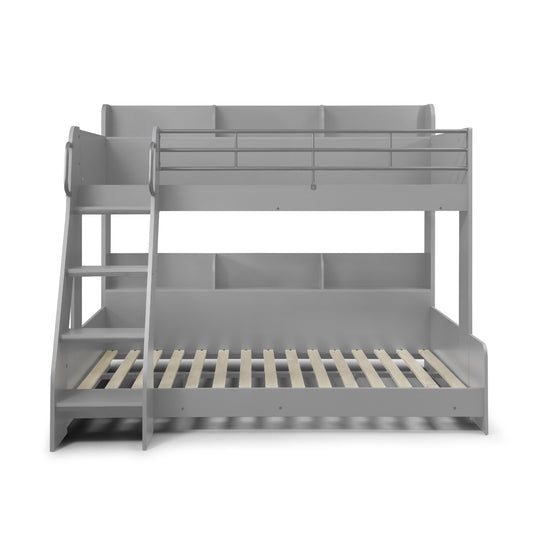
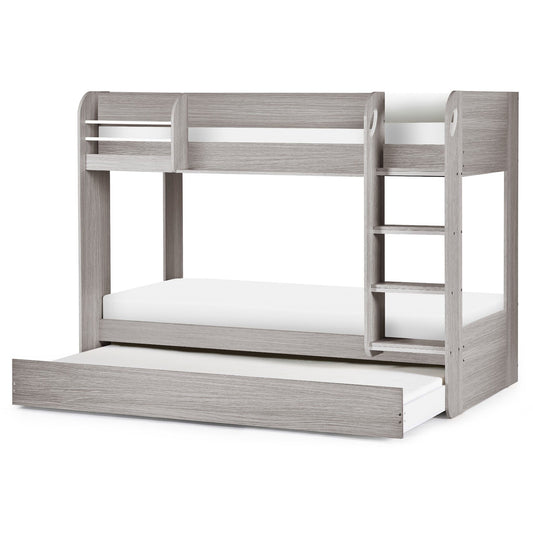
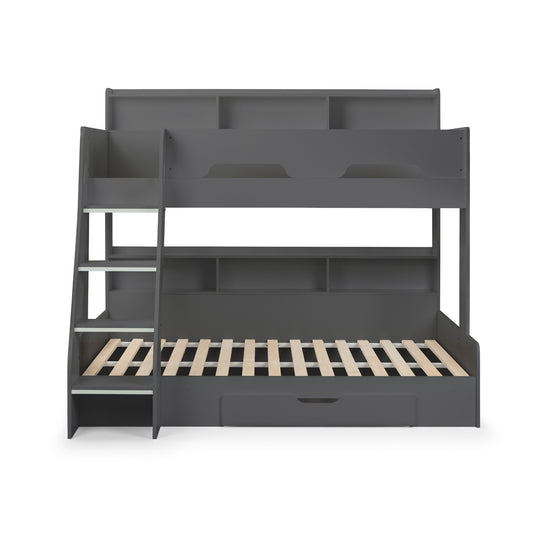
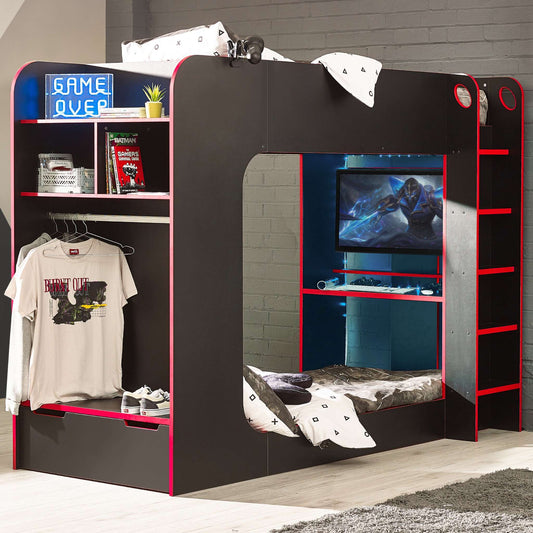
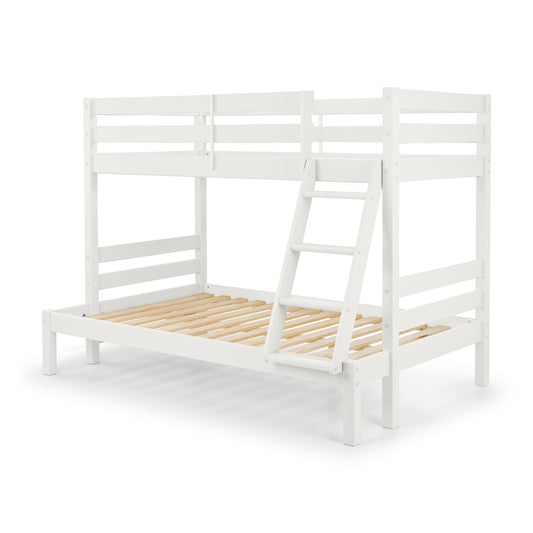
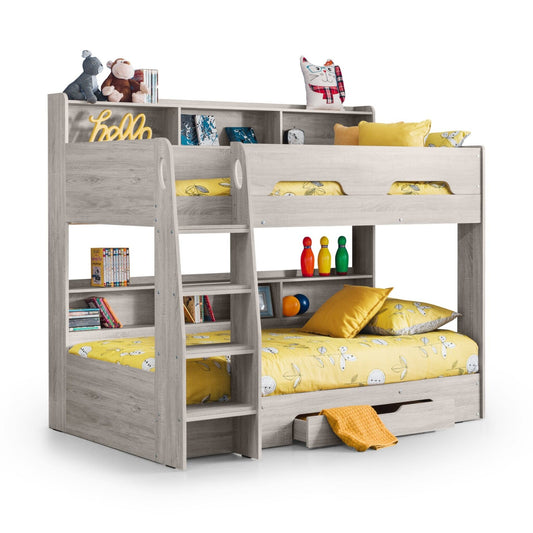
Bunk beds with storage help to maximise space, while a triple bunk bed can accommodate more than two children.
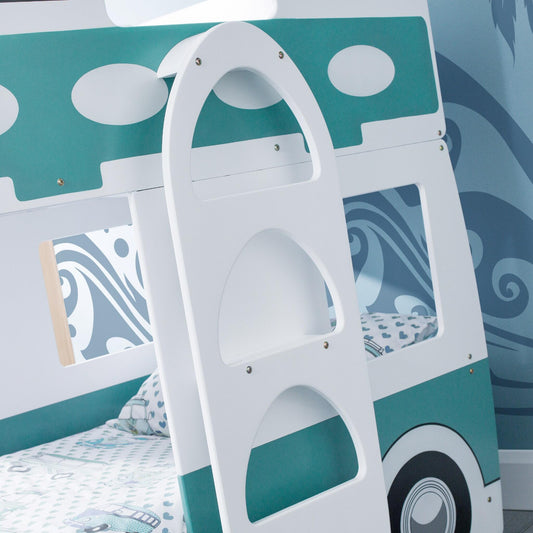
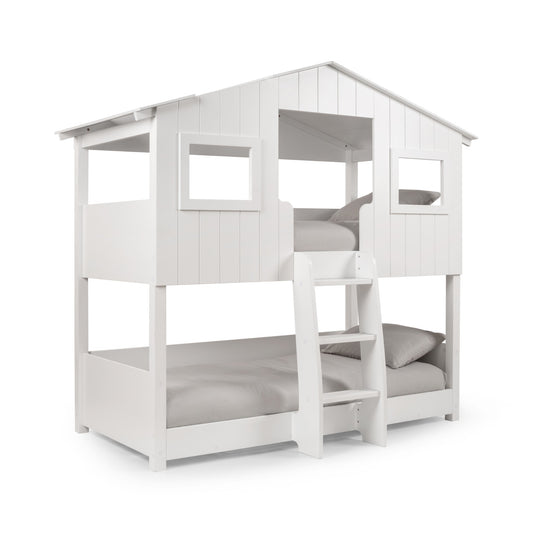
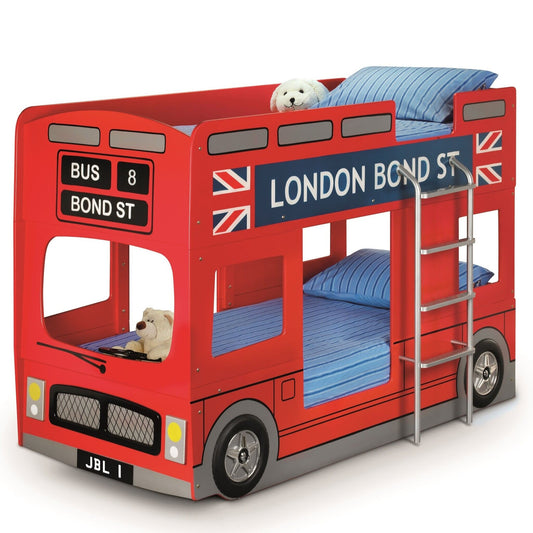
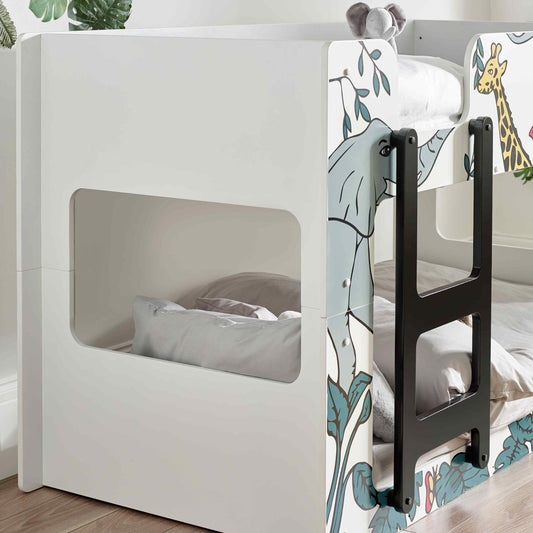
For added fun, novelty bunk beds feature imaginative designs, creating a room your child will love spending time in.
Do bunk beds require special mattresses?
Yes, kids’ bunk beds require mattresses that meet a specific maximum depth for the top bunk.
This ensures there’s enough clearance between the top of the mattress and the guard rail, allowing the rail to keep the sleeper safe.
The recommended depth can vary between designs, so always check the product details before buying.
Our guide Choosing a Children’s Bed offers further info to help you decide.

 Sale
Sale
 Sale
Sale
 Sold out
 Sale
Sale